Refined Oil vs. Kachi Ghani (Cold-Pressed): The Truth About Heart Health, Hexane, and Indian Cooking

Walk into any modern supermarket, and you will find rows of identical, crystal-clear plastic bottles. The labels promise a "healthy heart," "light digestion," and "added vitamins." The liquid inside is completely transparent, utterly odorless, and heavily industrialized.
For the past three decades, the global edible oil industry has successfully executed one of the greatest marketing illusions in history. They convinced an entire generation that this mass-produced, chemically washed liquid—known as Refined Oil—was the pinnacle of modern health.
But as cardiovascular diseases, unexplained inflammation, and chronic acidity continue to rise across the subcontinent, cardiologists and Ayurvedic experts are looking back at the foundation of our daily diet.
The debate between Refined Oil vs. Cold Pressed Oil (Lakdi Ghani) is no longer just a matter of culinary preference. It is a matter of profound metabolic health. Let us peel back the glossy marketing labels, expose the harsh chemical reality of industrial extraction, and explore why returning to ancient traditions might just save your heart.
The Dark Reality of Industrial Processing: What is "Refined" Oil?

When we hear the word "refined," we intuitively think of something that has been cleaned or perfected. In the context of the edible oil industry, the word "refined" actually translates to chemically extracted and thermally destroyed.
To understand why this matters, you must understand how a seed goes from a farm to that transparent plastic bottle.
1. The Hexane Extraction Phase

When large-scale factories crush sunflower seeds, soybeans, or canola, mechanical pressing only extracts a portion of the oil. To maximize profit, factories must extract every last drop from the dry seed pulp. To do this, they wash the crushed seeds in a highly volatile, petroleum-derived industrial solvent called Hexane.
Yes, Hexane. A chemical solvent related to gasoline. While regulatory bodies consider Hexane a "processing aid" and mandate that it be boiled off during refining, critics and holistic health advocates continuously raise concerns about the cumulative, long-term exposure to these trace petroleum derivatives in our daily food supply.
2. High Heat and The Destruction of Nutrients

Once the crude oil is extracted using Hexane, it looks dark and smells harsh. To make it acceptable for supermarket shelves, it undergoes Degumming, Neutralizing, Bleaching, and Deodorizing.
During the deodorization phase, the oil is subjected to extreme temperatures, often exceeding 200°C. This massive thermal shock instantly destroys the delicate phytonutrients, the heart-healthy polyphenols, and the natural Vitamin E. Worse still, heating unstable polyunsaturated fats to such extreme temperatures can trigger the formation of trans-fats and free radicals—the exact biological compounds that cause chronic arterial inflammation.
By the time Refined Oil reaches your kitchen, it is a dead, synthetic liquid. The manufacturers are forced to artificially "fortify" it with synthetic vitamins just to legally claim it has any nutritional value left.
The Ancient Science of Lakdi Ghani (Cold-Pressed Oil)
Long before industrial factories existed, traditional Indian households cooked in thick, deeply aromatic, golden oils. Their method of extraction was the Lakdi Ghani (Wooden Pestle), a slow, meticulous process that modern science is now aggressively validating.
The term Cold-Pressed Oil is not a marketing buzzword; it is a strict, mechanical reality.
In a true Lakdi Ghani process, premium seeds are crushed using a heavy wooden pestle at extremely low RPM (Rotations Per Minute). Because the friction is kept to a minimum, the temperature of the oil never exceeds 40°C to 50°C.
- Zero Chemicals: There is absolutely no Hexane, no bleach, and no synthetic deodorizers involved.
- 100% Nutrient Retention: Because there is no extreme heat, the massive natural antioxidants (like tocopherols), the essential fatty acids, and the intense, earthy aromas are completely preserved.
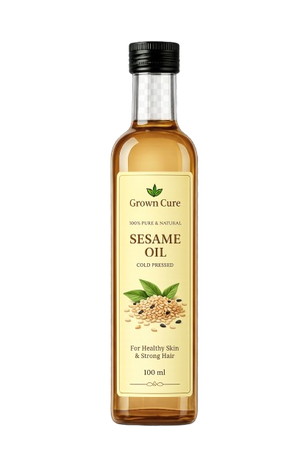
- The Authentic Color: True cold-pressed oil is never completely transparent. It retains a slightly cloudy, rich color characteristic of the seed it was born from.
Refined vs Cold Pressed Oil for Heart Health: The Case Studies
When comparing refined vs cold pressed oil for heart health, epidemiological case studies in India have revealed striking data.
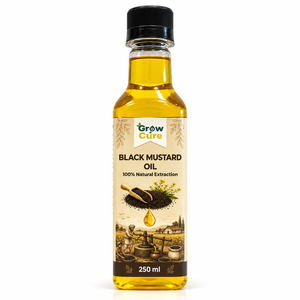
In Indian medical literature, authentic cold-pressed Mustard Oil has been heavily scrutinized and ultimately championed for its cardioprotective potential. Studies highlight that raw, unrefined mustard oil possesses a near-perfect ratio of Omega-6 to Omega-3 fatty acids.
One notable epidemiological study reported that individuals using traditional mustard oil for daily frying experienced a significantly lower risk of Coronary Heart Disease (CHD) compared to those using industrially refined sunflower oil. Why? Because the natural antioxidants present in the cold-pressed oil actively prevent the oxidation of LDL (bad) cholesterol, a critical step in preventing arterial plaque buildup.
Making the Switch: The Grow n Cure Standard
The market is currently flooded with counterfeit "Cold-Pressed" labels. Many brands simply blend a tiny percentage of cold-pressed oil into a massive vat of refined oil to cut costs.
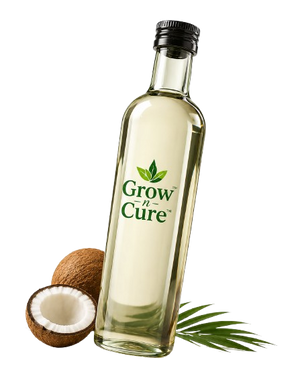
At Grow n Cure, we operate on a philosophy of absolute, uncompromised purity. We are the actual manufacturers. Operating directly from Rohtak, Haryana, we oversee the entire crushing process from seed selection to the final bottle.
- First-Press Only: We never extract oil a second time. We reject chemical solvents entirely, ensuring you receive only the richest, most potent first extraction.
- FSSAI Certified Purity: Every batch of our Lakdi Ghani oil is rigorously lab-tested to guarantee it is 100% free from Hexane, argemone adulteration, and artificial colors.
- The Regional Champion: Whether you are looking for authentic lakdi ghani mustard oil Rohtak, or you need to buy pure cold pressed oil Delhi NCR, Grow n Cure delivers unparalleled, heavy-duty purity directly to your doorstep.
The Ultimate Culinary Oils

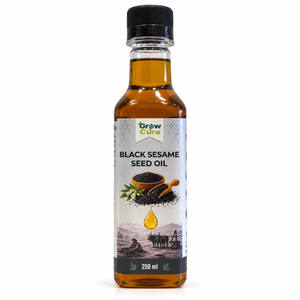
If you are ready to discard synthetic refined oils, these are the three foundational Lakdi Ghani oils you must integrate into your kitchen:
- Yellow Mustard Oil: The ultimate heart protector. Significantly lighter and less pungent than black mustard, it is the perfect daily cooking oil for sabzis and dals, packed with Omega-3s.
- Groundnut (Peanut) Oil: The deep-frying champion. Because it has an incredibly high natural smoke point, pure groundnut oil does not break down into toxic free radicals when heated, making it the safest traditional choice for pooris and pakoras.
- Sunflower Seed Oil: Packed with natural Vitamin E, it is incredibly light on the stomach and provides a smooth transition for those accustomed to refined oils.
Your health is not built in a hospital; it is built in your kitchen. By replacing industrial, Hexane-washed liquids with authentic, nutrient-dense Lakdi Ghani oils, you are making a profound investment in your cardiovascular longevity.
👉 Explore the 100% Pure, FSSAI-Tested Grow n Cure Cooking Oils Here
Frequently Asked Questions
Need help? Find answers to the most common questions below.